
The Brain-Body Highway: How Your Nervous System Governs Digestion and Immunity
How does the nervous system control the gut and immune system?
The central nervous system regulates gut motility, digestive enzyme production, and immune tissue surveillance through bidirectional pathways—primarily the cranial vagus nerve and the thoracic and lumbar spinal nerve roots. When physical misalignments (subluxations) introduce nerve interference, communication breaks down, leading to compromised digestion, systemic inflammation, and sluggish immune response.
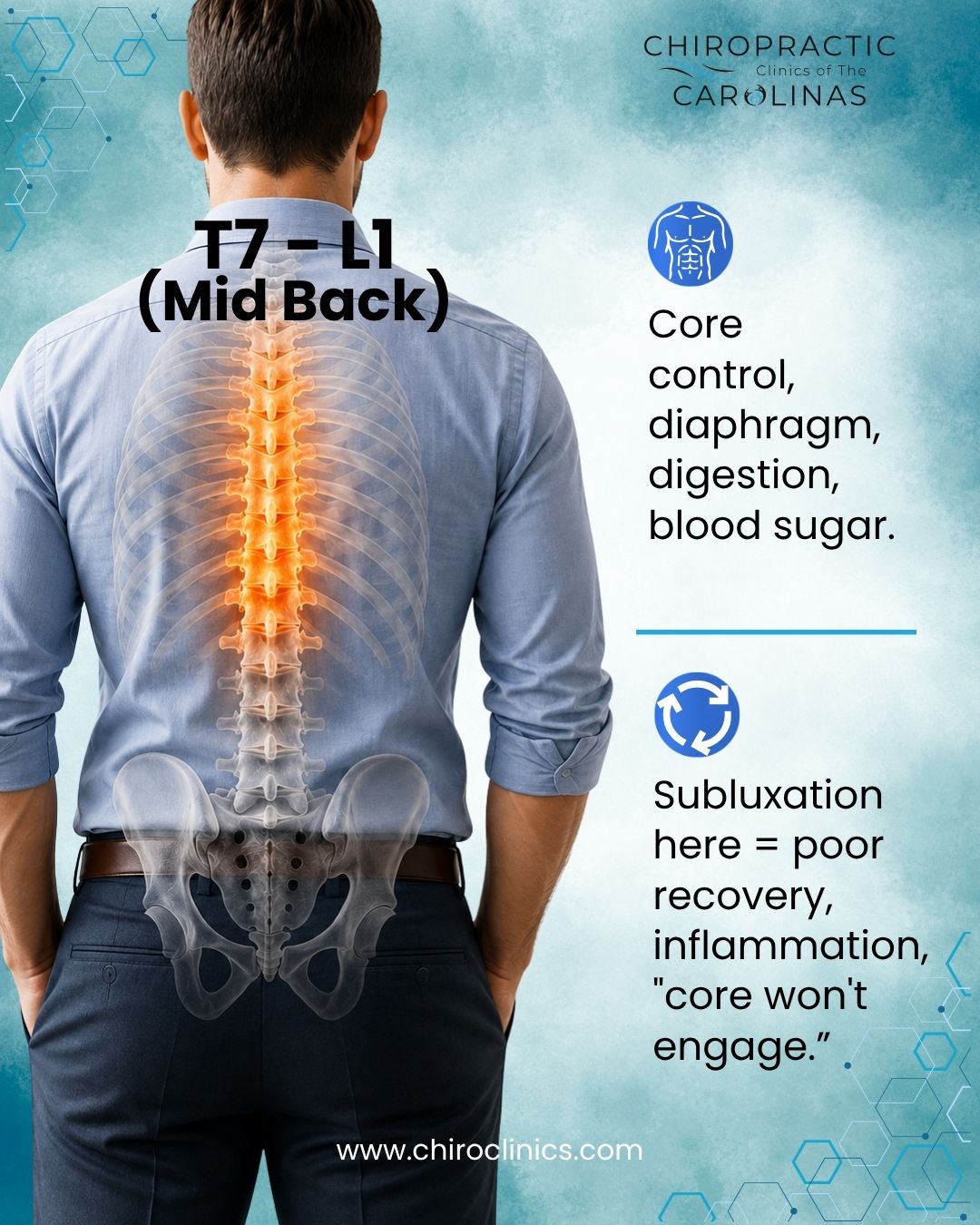
We often think of our physical health as a collection of independent compartments. We see one practitioner for a sour stomach, another for brain fog and mid-afternoon energy crashes, and another when our immune system feels chronically run down.
Your body was not created as a collection of separate spare parts. It is an intricately linked, self-healing network governed by one master command system: your central nervous system. When communication along this brain-body highway is clear, your digestive tract breaks down food efficiently, your immune cells identify threats accurately, and your brain receives clean sensory information.
When interference disrupts that highway, the signals that coordinate these systems become garbled.
The Three Master Systems: One Continuous Conversation
Your body maintains health through a non-stop, three-way dialogue between:
The Central Nervous System (Master Control): Your brain and spinal cord manage every heartbeat, breath, and cell division.
The Enteric Nervous System (The Second Brain): More than 100 million neurons line the digestive walls, producing roughly 90% of your body’s peripheral serotonin and running local digestive reflexes.
The Immune Defense Network: Approximately 70% of all immune tissue lives right inside your gastrointestinal tract, acting as an armed border patrol between what you ingest and your bloodstream.
These three systems do not operate on separate schedules. If emotional tension, structural spinal stress, or inflammatory food burdens one system, the other two feel the impact.
What Is Nerve Interference (Subluxation)?
Your spinal column serves a crucial biomechanical purpose: it provides structural mobility while housing and shielding your delicate spinal cord and exiting nerve roots.
When stress—whether physical (accidents, poor workstation posture, repetitive strain), chemical (processed foods, dehydration), or emotional (chronic family or workplace worry)—overwhelms your body’s capacity to adapt, spinal segments can lose their normal motion and alignment. In chiropractic care, this is termed a vertebral subluxation.
A subluxation creates mechanical tension and inflammatory irritation at the exiting nerve roots. This is not simply a source of localized neck or lower back discomfort; it acts like static on a two-way radio line. If the nerve roots exiting your mid-back cannot transmit clean signals to the stomach and intestines, digestive efficiency falters—regardless of how cleanly you eat.
Restoring the Signal: The Chiropractic Keystone
Chiropractic care does not involve prescribing synthetic medications to suppress digestive symptoms, nor does it attempt to artificially stimulate immune cells.
Instead, our doctors focus on a foundational principle: the power that made the body heals the body; we simply remove what is in the way.
Through gentle and specific adjustments, our practitioners correct vertebral subluxations, releasing mechanical pressure on spinal nerves and restoring clear neuro-communication between your brain and visceral organs. When interference is removed, your innate intelligence resumes proper oversight of gut motility, cellular turnover, and daily immune defenses.
Experience Whole-Family Wellness Across the NC Triad
If you have been struggling with persistent digestive sluggishness, recurrent fatigue, or family wellness challenges, it is time to check the health of your nervous system.
Chiropractic Clinics of the Carolinas serves individuals and families throughout the Piedmont Triad with comprehensive, low-force chiropractic care:
Schedule Your Comprehensive Family Wellness Assessment at ChiroClinics.com
Frequently Asked Questions
Can a spinal misalignment cause stomach problems?
Yes. The sympathetic nerves supplying your stomach, liver, gallbladder, and pancreas exit the thoracic spine between vertebrae T5 and T9. When subluxation creates irritation in this mid-back region, it can disrupt the neurological signals governing stomach acid production and motility, leading to bloating and discomfort.
How do chiropractors check for nerve interference?
Chiropractic doctors evaluate nerve interference using comprehensive spinal analysis, including bilateral weight checks, static and motion palpation, postural analysis, functional neurological testing, and digital spinal imaging when clinically indicated.
